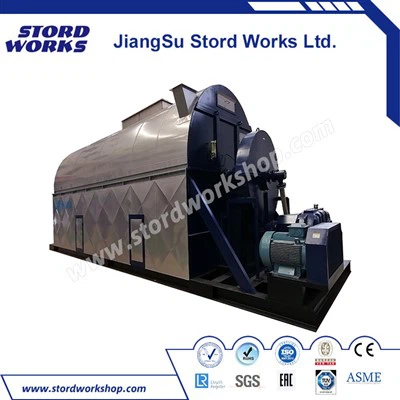
In the dynamic and competitive landscape of the rendering industry, continuous improvement is not just a goal; it's a necessity for survival and success. As a supplier to a Rendering Plant, I have witnessed firsthand the challenges and opportunities that come with ensuring that a rendering plant operates at its best. In this blog post, I will explore the various strategies and practices that a rendering plant can adopt to achieve continuous improvement.
Quality Control and Assurance
One of the cornerstones of continuous improvement in a rendering plant is a robust quality control and assurance system. This involves implementing strict standards and procedures for every aspect of the rendering process, from the raw materials to the final products. By ensuring that all products meet or exceed industry standards, a rendering plant can build a reputation for reliability and quality, which is essential for attracting and retaining customers.
To achieve this, a rendering plant should invest in state-of-the-art testing equipment and hire experienced quality control personnel. These individuals should be responsible for conducting regular inspections and tests at every stage of the rendering process, from the receipt of raw materials to the packaging and shipping of finished products. By identifying and addressing any quality issues early on, a rendering plant can prevent costly recalls and maintain customer satisfaction.
Process Optimization
Another key aspect of continuous improvement in a rendering plant is process optimization. This involves analyzing and improving the efficiency of every step in the rendering process, from the collection and transportation of raw materials to the processing and packaging of finished products. By streamlining operations and reducing waste, a rendering plant can increase productivity, lower costs, and improve overall profitability.
One way to optimize the rendering process is to invest in advanced technology and equipment. For example, a Feather Meal Machine can be used to convert feathers into high-quality feather meal, which can be used as a protein-rich animal feed. By using a feather meal machine, a rendering plant can increase the value of its raw materials and reduce the amount of waste generated.
In addition to investing in technology, a rendering plant should also focus on improving its supply chain management. This involves working closely with suppliers to ensure a consistent and reliable supply of raw materials, as well as optimizing the transportation and storage of these materials. By reducing lead times and minimizing the risk of supply disruptions, a rendering plant can improve its operational efficiency and reduce costs.
Employee Training and Development
Continuous improvement in a rendering plant also requires a commitment to employee training and development. By providing employees with the skills and knowledge they need to perform their jobs effectively, a rendering plant can improve productivity, quality, and safety.
One way to provide employee training and development is to offer on-the-job training programs. These programs can be tailored to the specific needs of each employee and can include hands-on training, classroom instruction, and online learning modules. By providing employees with the opportunity to learn and grow, a rendering plant can create a culture of continuous learning and improvement.
In addition to on-the-job training, a rendering plant should also encourage employees to pursue further education and professional development. This can include providing tuition reimbursement for employees who want to pursue a degree or certification in a relevant field. By investing in employee education and development, a rendering plant can attract and retain top talent, which is essential for long-term success.


Environmental Sustainability
In today's world, environmental sustainability is a critical issue for businesses in all industries, including the rendering industry. A rendering plant can play a significant role in reducing its environmental impact by implementing sustainable practices and technologies.
One way to achieve environmental sustainability in a rendering plant is to reduce energy consumption. This can be done by investing in energy-efficient equipment and technologies, such as high-efficiency motors and lighting systems. By reducing energy consumption, a rendering plant can lower its operating costs and reduce its carbon footprint.
Another way to achieve environmental sustainability in a rendering plant is to reduce waste generation. This can be done by implementing a waste management program that includes recycling, composting, and proper disposal of hazardous materials. By reducing waste generation, a rendering plant can minimize its environmental impact and comply with environmental regulations.
Customer Feedback and Engagement
Finally, continuous improvement in a rendering plant requires a commitment to customer feedback and engagement. By listening to the needs and concerns of customers, a rendering plant can identify areas for improvement and develop solutions that meet or exceed customer expectations.
One way to gather customer feedback is to conduct regular surveys and interviews. These surveys can be used to gather information about customer satisfaction, product quality, and service levels. By analyzing this data, a rendering plant can identify areas for improvement and develop strategies to address these issues.
In addition to gathering customer feedback, a rendering plant should also engage with customers on a regular basis. This can include attending industry trade shows and conferences, hosting customer events, and providing excellent customer service. By building strong relationships with customers, a rendering plant can increase customer loyalty and drive business growth.
Conclusion
In conclusion, continuous improvement is essential for the success of a rendering plant. By implementing a comprehensive quality control and assurance system, optimizing processes, investing in employee training and development, promoting environmental sustainability, and engaging with customers, a rendering plant can achieve continuous improvement and stay competitive in the marketplace.
If you are interested in learning more about how our products and services can help your rendering plant achieve continuous improvement, please contact us to discuss your specific needs and requirements. We look forward to working with you to help your business grow and succeed.