

As a supplier of disc dryers, I often get asked about the weight of these machines. It's a crucial question, especially when it comes to transportation, installation, and overall system design. In this blog, I'll dive deep into what determines the weight of a disc dryer and why it matters.
What Influences the Weight of a Disc Dryer?
First off, let's talk about the factors that contribute to the weight of a disc dryer. The main components that add bulk are the shell, the discs, and the drive system.
The shell is the outer casing of the dryer. It's usually made of steel, and its thickness and size play a big role in determining the weight. A larger dryer will have a bigger shell, which naturally weighs more. Also, if the shell is designed to withstand high pressures or corrosive environments, it might be made of thicker or more specialized steel, increasing its weight.
The discs are another significant contributor. These are the heat transfer surfaces inside the dryer. They're typically made of stainless steel or carbon steel. The number of discs, their size, and the material they're made of all affect the weight. More discs mean more material, and thus, a heavier dryer. Larger discs also add to the weight, as they require more metal to manufacture.
The drive system, which includes the motor, gearbox, and associated components, also adds weight. A more powerful drive system is needed for larger dryers or those with a higher throughput. This means bigger motors and gearboxes, which are heavier.
Why Does the Weight Matter?
The weight of a disc dryer has several implications. For one, it affects transportation. Heavier dryers require more robust transportation methods. You might need a larger truck or even a special shipping container. This can increase the cost of getting the dryer to its destination.
Installation is another area where weight matters. A heavier dryer needs a more stable foundation. You might have to reinforce the floor or build a special platform to support it. This adds to the installation cost and time.
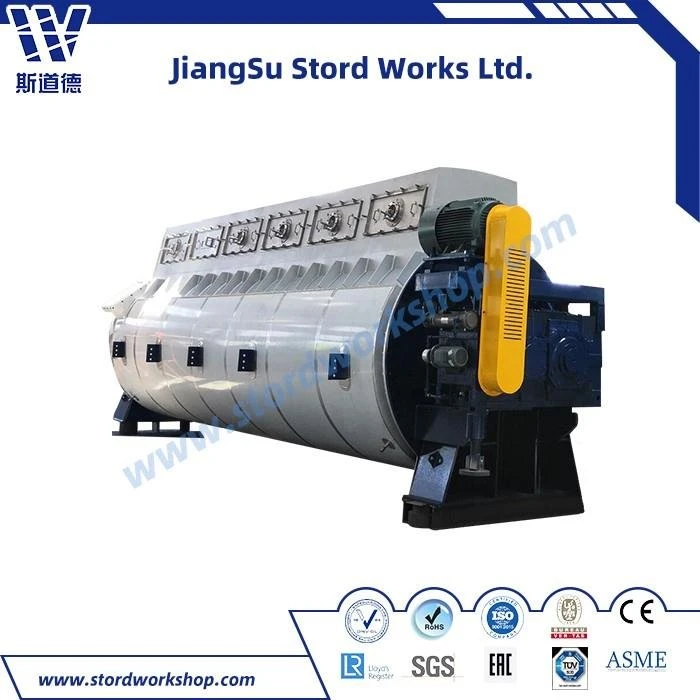

In addition, the weight can impact the overall energy consumption of the dryer. A heavier dryer requires more energy to start up and keep running. This means higher operating costs over the long term.
Different Types of Disc Dryers and Their Weights
Let's take a look at some specific types of disc dryers and their typical weights.
Waste - Heat Sludge Dryer
The Waste - Heat Sludge Dryer is designed to use waste heat to dry sludge. These dryers can vary in weight depending on their size and capacity. Smaller models might weigh around 2 - 3 tons, while larger industrial - scale units can weigh upwards of 10 tons or more. The weight is influenced by the number of discs, the size of the shell, and the complexity of the heat recovery system.
Horizontal Disc Dryers
Horizontal Disc Dryers are popular for their efficient heat transfer and ease of operation. Their weight can range from 5 tons for smaller units to 20 tons or more for large - scale dryers. The horizontal design allows for a larger number of discs, which can increase the weight. Also, the support structure for horizontal dryers needs to be strong enough to hold the weight, adding to the overall mass.
Horizontal Sludge Disc Dryer
The Horizontal Sludge Disc Dryer is specifically designed for drying sludge. Similar to other horizontal dryers, its weight depends on its size and capacity. Smaller models might weigh around 3 - 5 tons, while larger ones can reach 15 tons or more. The weight is affected by the thickness of the shell, the number of discs, and the type of sludge it's designed to handle.
How to Estimate the Weight of a Disc Dryer
If you're in the market for a disc dryer, you might be wondering how to estimate its weight. The best way is to consult with the manufacturer. They can provide you with detailed specifications based on your requirements.
You can also use some general guidelines. For example, if you know the size of the dryer (in terms of its length, width, and height) and the number of discs, you can make a rough estimate. A rule of thumb is that each disc adds about 100 - 200 kilograms to the weight, depending on its size and material. The shell can add several tons, depending on its thickness and dimensions.
Conclusion
The weight of a disc dryer is an important factor to consider when purchasing one. It affects transportation, installation, and operating costs. As a supplier, I understand the importance of providing accurate weight information to my customers. Whether you're looking for a Waste - Heat Sludge Dryer, a Horizontal Disc Dryers, or a Horizontal Sludge Disc Dryer, I can help you choose the right dryer for your needs and provide you with all the necessary details, including weight.
If you're interested in purchasing a disc dryer, I encourage you to reach out for a consultation. We can discuss your specific requirements, and I'll help you find the best solution for your business.


