

Hey there! As a supplier of Horizontal Dryers, I've seen firsthand how ambient temperature can play a huge role in the drying process. Let's dig into what kind of influence it has.
First off, let's talk about the basics of a Horizontal Dryer. These bad boys are used in a whole bunch of industries, from food processing to chemical manufacturing. They work by passing the material to be dried through a horizontal chamber, where heat is applied to remove moisture. Now, ambient temperature is the temperature of the surrounding environment, and it can have both direct and indirect effects on how well the dryer does its job.
Direct Effects of Ambient Temperature
One of the most obvious direct effects is on the initial heating of the material. When the ambient temperature is low, the dryer has to work harder to raise the temperature of the incoming material to the desired drying temperature. This means it might take longer for the material to reach the right temperature, and as a result, the overall drying process can be slower.
For example, if you're using a Blood Coiler Dryer to dry blood products, and it's a cold day outside, the dryer will have to use more energy to heat up the blood. This not only increases the drying time but also the energy costs. On the flip side, when the ambient temperature is high, the material starts off warmer, so the dryer doesn't have to work as hard to get it to the drying temperature. This can speed up the process and save on energy.
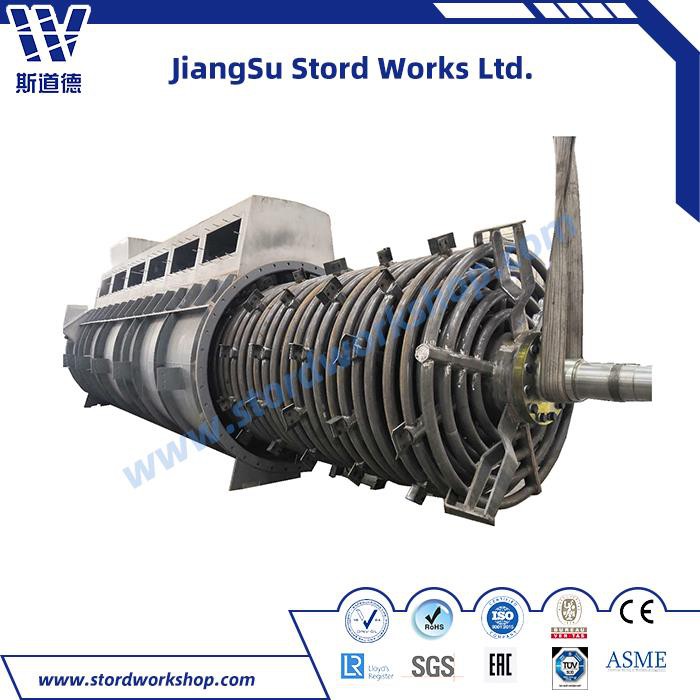

Another direct effect is on the evaporation rate. The higher the ambient temperature, the more energy is available in the environment to help with evaporation. This means that moisture can be removed from the material more quickly. In a Paddle Dryer, for instance, the paddles agitate the material, exposing more surface area to the hot air. When the ambient temperature is high, the hot air is even more effective at carrying away the moisture, leading to faster drying.
Indirect Effects of Ambient Temperature
Ambient temperature can also have some indirect effects on the drying process. One of these is related to the humidity of the air. In general, warmer air can hold more moisture than colder air. So, when the ambient temperature is high, the air might already be quite humid. This can make it more difficult for the dryer to remove moisture from the material because the air is already saturated to some extent.
Let's say you're using a Tube Coil Dryer in a tropical climate where the ambient temperature is high and the humidity is also high. The dryer will have to work harder to create a dry enough environment inside the chamber to effectively remove moisture from the material. This can lead to longer drying times and potentially lower quality results.
On the other hand, in a cold and dry environment, the air has a lower capacity to hold moisture. This can be beneficial for the drying process because the dryer can more easily create a low-humidity environment inside the chamber. However, as we mentioned earlier, the low ambient temperature can also slow down the initial heating of the material.
Impact on Different Types of Materials
The influence of ambient temperature can vary depending on the type of material being dried. Some materials are more sensitive to temperature changes than others. For example, heat-sensitive materials like certain pharmaceuticals or food products might require a more controlled drying environment. In these cases, even a small change in ambient temperature can have a big impact on the quality of the final product.
If the ambient temperature is too high, it could cause the heat-sensitive material to degrade or lose its potency. On the other hand, if it's too low, the drying process might take so long that the material could be at risk of spoilage or contamination.
Materials with a high moisture content also need to be carefully dried. When the ambient temperature is low, the drying process might be too slow, and the material could start to develop mold or bacteria. In a high ambient temperature, the surface of the material might dry too quickly, forming a crust that can trap moisture inside and prevent further drying.
Strategies to Mitigate the Impact of Ambient Temperature
As a Horizontal Dryer supplier, we understand the challenges that ambient temperature can pose. That's why we offer a range of features and options to help our customers deal with these issues.
One solution is to use a pre - heating system. This can help to raise the temperature of the incoming material to a more suitable level, regardless of the ambient temperature. For example, some of our dryers come with built - in pre - heaters that use waste heat from the drying process itself, making it an energy - efficient option.
Another strategy is to control the humidity inside the dryer. We offer dryers with advanced humidity control systems that can adjust the airflow and temperature to maintain an optimal drying environment. This can help to counteract the effects of high ambient humidity and ensure consistent drying results.
We also provide training and support to our customers on how to optimize the operation of their dryers based on the ambient conditions. This includes adjusting the drying time, temperature, and airflow settings to get the best possible results.
Conclusion
In conclusion, ambient temperature has a significant influence on the drying process in a Horizontal Dryer. It can affect the initial heating, evaporation rate, and overall efficiency of the dryer. Different materials respond differently to ambient temperature changes, and it's important to take these factors into account when choosing and operating a dryer.
As a supplier, we're committed to helping our customers overcome these challenges. Our range of Horizontal Dryers, including the Blood Coiler Dryer, Paddle Dryer, and Tube Coil Dryer, are designed with features to mitigate the impact of ambient temperature.
If you're in the market for a Horizontal Dryer or have any questions about how ambient temperature might affect your drying process, don't hesitate to get in touch. We're here to provide you with the best solutions and support for your needs. Let's work together to ensure your drying operations are as efficient and effective as possible.
References
- Smith, J. (2020). "The Effects of Environmental Conditions on Industrial Drying Processes." Journal of Industrial Engineering, 15(2), 45 - 52.
- Johnson, A. (2019). "Optimizing Drying Operations in Variable Ambient Conditions." Proceedings of the International Drying Conference, 320 - 325.
- Brown, C. (2021). "Temperature and Humidity Control in Horizontal Dryers." Drying Technology Magazine, 18(3), 78 - 85.
