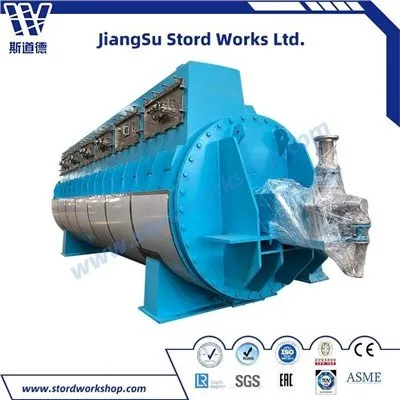
As a seasoned provider of storage tanks, I've witnessed firsthand the importance of proper water storage. Whether it's for residential, commercial, or industrial use, storing water effectively is crucial for ensuring a clean, safe, and reliable water supply. In this blog post, I'll share some of the best practices for storing water in a storage tank, drawing on my years of experience in the industry.
Selecting the Right Storage Tank
The first step in storing water effectively is selecting the right storage tank. There are several types of storage tanks available, each with its own advantages and disadvantages. Here are some factors to consider when choosing a storage tank:
Material
The material of the storage tank is an important consideration, as it can affect the quality of the stored water. Common materials used for water storage tanks include plastic, fiberglass, concrete, and steel. Plastic tanks are lightweight, easy to install, and resistant to corrosion, making them a popular choice for residential and small commercial applications. Fiberglass tanks are also lightweight and corrosion-resistant, but they are more expensive than plastic tanks. Concrete tanks are durable and can hold large volumes of water, but they are heavy and require professional installation. Steel tanks are strong and can withstand high pressures, but they are susceptible to corrosion if not properly coated.
Size
The size of the storage tank will depend on your water storage needs. Consider factors such as the number of people using the water, the frequency of use, and the volume of water required for specific applications. It's important to choose a tank that is large enough to meet your needs but not so large that it becomes wasteful or difficult to manage.
Shape
The shape of the storage tank can also affect its performance. Vertical tanks are ideal for areas with limited space, as they take up less floor space. Horizontal tanks are better suited for areas with more space, as they provide a larger surface area for water storage.
Location
The location of the storage tank is another important consideration. Choose a location that is easily accessible for maintenance and inspection, and that is protected from extreme weather conditions. Avoid placing the tank in direct sunlight, as this can cause the water to heat up and promote the growth of bacteria.
Additional Features
Some storage tanks come with additional features that can enhance their performance and functionality. For example, some tanks have built-in filters or UV lights to help purify the water. Others have level indicators or alarms to help you monitor the water level. Consider these additional features when choosing a storage tank to ensure that it meets your specific needs.
Preparing the Storage Tank for Use
Once you've selected the right storage tank, it's important to prepare it for use before filling it with water. Here are some steps to follow:


Clean the Tank
Before filling the tank with water, it's important to clean it thoroughly to remove any dirt, debris, or contaminants. Use a mild detergent and a soft brush to clean the inside of the tank, and rinse it thoroughly with clean water.
Inspect the Tank
Inspect the tank for any signs of damage or leaks. Check the seams, joints, and fittings for cracks or gaps, and make any necessary repairs before filling the tank with water.
Install the Necessary Equipment
Install any necessary equipment, such as pumps, filters, or valves, before filling the tank with water. Make sure that all equipment is properly installed and functioning correctly.
Fill the Tank with Water
Once the tank is clean and inspected, it's time to fill it with water. Use a clean water source, such as a municipal water supply or a well, to fill the tank. Avoid using water that contains high levels of contaminants or chemicals.
Maintaining the Storage Tank
Proper maintenance is essential for ensuring the long-term performance and functionality of your storage tank. Here are some tips for maintaining your storage tank:
Regularly Inspect the Tank
Regularly inspect the tank for any signs of damage or leaks. Check the seams, joints, and fittings for cracks or gaps, and make any necessary repairs immediately.
Clean the Tank
Clean the tank regularly to remove any dirt, debris, or contaminants that may have accumulated over time. Use a mild detergent and a soft brush to clean the inside of the tank, and rinse it thoroughly with clean water.
Monitor the Water Level
Monitor the water level in the tank regularly to ensure that it remains at a safe and appropriate level. Use a level indicator or alarm to help you monitor the water level.
Treat the Water
Treat the water in the tank regularly to prevent the growth of bacteria and other contaminants. Use a water treatment product, such as chlorine or bromine, to disinfect the water. Follow the manufacturer's instructions carefully when using water treatment products.
Replace the Filters
If your storage tank has a built-in filter, replace it regularly to ensure that it is functioning properly. Follow the manufacturer's instructions carefully when replacing the filter.
Protect the Tank from Freezing
If you live in an area with cold winters, it's important to protect your storage tank from freezing. Insulate the tank and any pipes or valves that are connected to it to prevent them from freezing. You may also need to drain the tank and disconnect any hoses or pipes during the winter months.
Safety Considerations
When storing water in a storage tank, it's important to follow some safety considerations to ensure the health and safety of yourself and others. Here are some tips for safe water storage:
Use a Clean Water Source
Use a clean water source, such as a municipal water supply or a well, to fill the tank. Avoid using water that contains high levels of contaminants or chemicals.
Keep the Tank Covered
Keep the tank covered to prevent debris, animals, and insects from entering the tank. A covered tank also helps to prevent the growth of algae and other contaminants.
Label the Tank
Label the tank clearly to indicate that it contains water and to provide instructions for use and maintenance. This will help to prevent accidental contamination or misuse of the water.
Use Caution When Handling the Water
Use caution when handling the water in the tank. Avoid drinking the water directly from the tank, as it may contain contaminants or chemicals. Instead, use a clean container to draw the water from the tank and treat it before drinking.
Follow Local Regulations
Follow all local regulations and guidelines regarding water storage and use. This may include obtaining a permit for the installation of the storage tank, testing the water regularly for contaminants, and disposing of any wastewater properly.
Conclusion
Storing water in a storage tank is an effective way to ensure a clean, safe, and reliable water supply. By following these best practices for selecting, preparing, maintaining, and using a storage tank, you can ensure that your water storage system is functioning properly and providing you with the water you need. If you have any questions or need further assistance with water storage, please don't hesitate to contact us. We're a leading provider of storage tanks, including High Pressure Propane Gas Tank, Vertical Stainless Steel Tank, and Horizontal Carbon Steel Tank. Our team of experts is here to help you choose the right tank for your needs and provide you with the support and guidance you need to ensure its proper installation and use. Contact us today to learn more about our products and services and to start storing water effectively.
References
- "Water Storage Tanks: Types, Sizes, and Materials." The Spruce, 2023.
- "How to Choose the Right Water Storage Tank." HomeAdvisor, 2023.
- "Best Practices for Water Storage in Tanks." EPA, 2023.