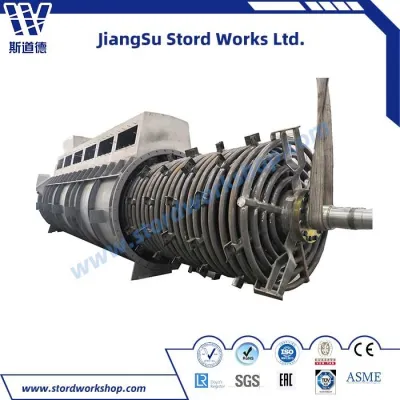
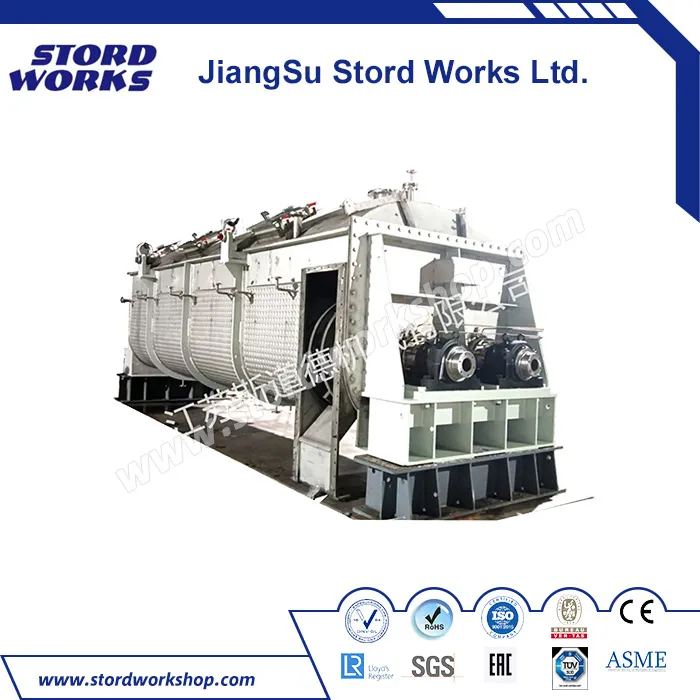
Hey there! As a supplier of reaction kettles, I've seen firsthand how these nifty pieces of equipment play a crucial role in the pharmaceutical industry. In this blog, I'm gonna break down the various applications of reaction kettles in pharma, so you can get a better idea of why they're so important.
First off, let's talk about what a reaction kettle is. It's basically a vessel where chemical reactions take place under controlled conditions. You can control factors like temperature, pressure, and agitation to ensure that the reaction proceeds as planned. This level of control is super important in the pharmaceutical industry, where precision is key.
Drug Synthesis
One of the most common applications of reaction kettles in the pharmaceutical industry is drug synthesis. When developing new drugs, chemists need to combine different chemical compounds in a precise way to create the desired molecule. Reaction kettles provide a controlled environment where these reactions can occur safely and efficiently.


For example, let's say a pharmaceutical company is developing a new antibiotic. The chemists will use a reaction kettle to mix the raw materials and apply heat and pressure to initiate the chemical reaction. By carefully controlling the reaction conditions, they can ensure that the antibiotic is produced in high yield and with the desired purity.
There are different types of reaction kettles that can be used for drug synthesis. The ASME Reaction Vessel is a popular choice because it meets strict industry standards for safety and quality. These vessels are designed to handle high pressures and temperatures, making them suitable for a wide range of chemical reactions.
API Production
Active Pharmaceutical Ingredients (APIs) are the key components of drugs that produce the desired therapeutic effect. Reaction kettles are essential for the production of APIs because they allow for the precise control of chemical reactions.
During API production, the reaction kettle is used to synthesize the API from the raw materials. The chemists will carefully monitor the reaction conditions to ensure that the API is produced with the correct chemical structure and purity. Once the reaction is complete, the API is purified and isolated from the reaction mixture.
The Continuous Stirred Tank Reactor is often used for API production because it allows for continuous operation. This means that the raw materials can be continuously fed into the reactor, and the product can be continuously removed. This increases the efficiency of the production process and reduces the cost of manufacturing.
Vaccine Production
Vaccines are an important part of public health, and reaction kettles play a crucial role in their production. When producing vaccines, the reaction kettle is used to grow the virus or bacteria that will be used to make the vaccine.
The reaction kettle provides a controlled environment where the virus or bacteria can grow and multiply. The chemists will carefully control the temperature, pH, and nutrient supply to ensure that the virus or bacteria grow in a healthy and productive way. Once the virus or bacteria have reached the desired concentration, they are harvested and processed to make the vaccine.
The Extenal Coiler Reactor is sometimes used for vaccine production because it allows for efficient heat transfer. This is important because the growth of the virus or bacteria is often temperature-sensitive. By using an external coiler reactor, the chemists can maintain a constant temperature throughout the reaction, which helps to ensure the quality and consistency of the vaccine.
Quality Control
In addition to their role in drug synthesis, API production, and vaccine production, reaction kettles are also used for quality control in the pharmaceutical industry. Before a drug is approved for use, it must undergo rigorous testing to ensure that it is safe and effective.
Reaction kettles are used to simulate the conditions that the drug will encounter in the body. For example, the chemists may use a reaction kettle to test the stability of the drug under different temperature and humidity conditions. They may also use the reaction kettle to test the drug's solubility and bioavailability.
By using reaction kettles for quality control, pharmaceutical companies can ensure that their drugs meet the highest standards of safety and efficacy. This helps to protect the health of patients and build trust in the pharmaceutical industry.
Conclusion
As you can see, reaction kettles are essential pieces of equipment in the pharmaceutical industry. They are used for drug synthesis, API production, vaccine production, and quality control. By providing a controlled environment for chemical reactions, reaction kettles help to ensure the safety, efficacy, and quality of pharmaceutical products.
If you're in the pharmaceutical industry and you're looking for a reliable supplier of reaction kettles, look no further. We offer a wide range of reaction kettles, including ASME Reaction Vessels, Continuous Stirred Tank Reactors, and Extenal Coiler Reactors. Our reaction kettles are designed to meet the highest standards of quality and safety, and we offer competitive prices and excellent customer service.
If you're interested in learning more about our reaction kettles or would like to discuss your specific needs, please don't hesitate to get in touch. We'd be happy to help you find the right reaction kettle for your application.
References
- Pharmaceutical Engineering: A Guide for Professional Practice. Edited by Michael R. Ladisch and John M. Catchpole.
- Handbook of Industrial Chemistry and Biotechnology. Edited by James A. Kent.