As a reputable starch dryer supplier, we understand the challenges that come with high noise levels in industrial settings. Excessive noise not only affects the working environment but can also lead to long - term health issues for employees and may even cause disturbances in the surrounding community. In this blog, we'll explore effective strategies to reduce the noise of a starch dryer.
Understanding the Sources of Noise in a Starch Dryer
Before we can tackle the problem of noise reduction, it's crucial to identify the sources of noise in a starch dryer. There are several potential culprits:
- Mechanical Components: Moving parts such as motors, fans, and conveyor belts can generate significant noise. For example, a worn - out motor bearing can produce a high - pitched screeching sound, while an unbalanced fan blade can cause a rattling or thumping noise.
- Airflow: The movement of air through the dryer, especially at high velocities, can create a whistling or whooshing sound. This is particularly common in dryers with powerful blowers.
- Vibrations: Vibration of the dryer structure itself can transmit noise. If the dryer is not properly installed or is in contact with other objects, vibrations can be amplified and result in a loud noise.
Strategies for Reducing Noise
1. Equipment Maintenance
- Regular Inspections: Conduct routine inspections of all mechanical components. Check for loose bolts, worn - out belts, and damaged bearings. By addressing these issues early on, you can prevent them from developing into major noise - producing problems. For instance, tightening loose bolts can reduce rattling noises, and replacing worn - out belts can eliminate squealing sounds.
- Lubrication: Ensure that all moving parts are properly lubricated. Motors, fans, and conveyor belts require regular lubrication to reduce friction and noise. Using high - quality lubricants can significantly extend the lifespan of the components and minimize noise.
2. Isolation and Damping
- Vibration Isolation: Use vibration isolators to separate the dryer from the floor or other structures. Rubber pads or springs can be installed between the dryer and its foundation to absorb vibrations and prevent them from being transmitted to the surrounding environment. This is especially important for large - scale starch dryers that generate substantial vibrations.
- Damping Materials: Apply damping materials to the dryer's surfaces. These materials, such as acoustic foams or vibration - absorbing coatings, can reduce the amplitude of vibrations and thus lower the noise level. For example, lining the inside of the dryer's housing with acoustic foam can help to absorb sound waves.
3. Airflow Management
- Optimize Fan Design: Choose fans with aerodynamically designed blades. These fans are more efficient and produce less noise compared to fans with poorly designed blades. Additionally, ensure that the fan speed is set at an appropriate level. Running the fan at a higher speed than necessary not only consumes more energy but also generates more noise.
- Ductwork Design: Proper ductwork design can also help to reduce airflow noise. Use smooth - walled ducts to minimize turbulence and ensure that the ducts are properly sized. Avoid sharp bends and constrictions in the ductwork, as these can cause air to flow unevenly and generate noise.
4. Enclosure and Soundproofing
- Sound Enclosures: Build a sound - proof enclosure around the starch dryer. The enclosure can be made of materials such as steel or fiberglass with acoustic insulation on the inside. This enclosure acts as a barrier to prevent noise from escaping into the surrounding environment. However, it's important to ensure that the enclosure does not interfere with the dryer's ventilation and maintenance requirements.
- Soundproofing the Room: If the dryer is located in a room, soundproof the walls, ceiling, and floor of the room. Use acoustic panels or insulation materials to absorb sound waves and reduce reverberation. This can be particularly effective in reducing the overall noise level in the workspace.
Specific Considerations for Different Types of Starch Dryers
Corn Starch Tube Bundle Dryer
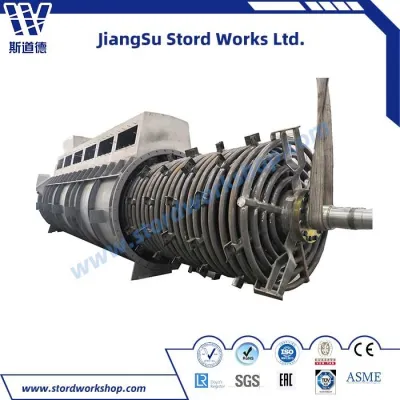
The Corn Starch Tube Bundle Dryer is a popular choice for drying corn starch. To reduce its noise, pay special attention to the fan and motor. The fan is responsible for moving air through the tube bundles, and any imbalance or inefficiency can lead to noise. Regularly check the fan blades for damage and ensure that the motor is properly aligned. Additionally, use vibration isolators to reduce the transmission of vibrations from the motor and fan to the dryer structure.
Hollow Paddle Blade Dryer
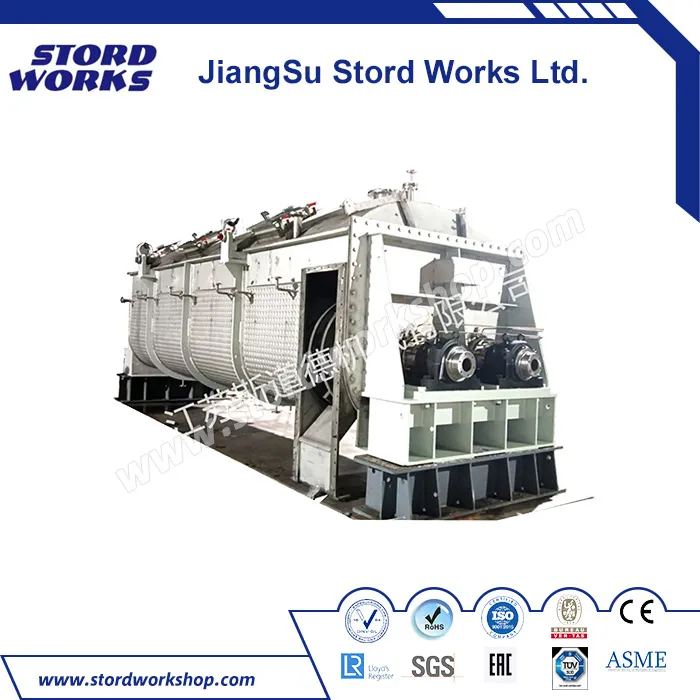
The Hollow Paddle Blade Dryer uses rotating paddle blades to agitate and dry the starch. Noise can be generated by the rotation of the paddle blades and the movement of the material. To reduce noise, lubricate the bearings of the paddle shaft regularly. Also, consider using a sound - proof enclosure around the dryer to contain the noise generated by the rotating blades.
Rotary Vacuum Paddle Dryer
The Rotary Vacuum Paddle Dryer operates under vacuum conditions. Noise can be a result of the vacuum pump operation and the rotation of the paddle. Ensure that the vacuum pump is properly maintained, with regular checks on the seals and valves. Use vibration - absorbing mounts for the vacuum pump to reduce noise transmission. For the rotating paddle, similar to the hollow paddle blade dryer, proper lubrication and a sound - proof enclosure can be effective noise - reduction measures.
Monitoring and Evaluation
Once you have implemented the noise - reduction measures, it's important to monitor the noise level regularly. Use a sound level meter to measure the noise at different points around the dryer and in the surrounding area. Compare the results with the initial noise levels to evaluate the effectiveness of the measures. If the noise level is still higher than desired, you may need to re - evaluate the strategies and make further adjustments.

Conclusion
Reducing the noise of a starch dryer is a multi - faceted process that requires a combination of equipment maintenance, isolation, airflow management, and soundproofing. By understanding the sources of noise and implementing the appropriate strategies, you can create a more comfortable and productive working environment. As a starch dryer supplier, we are committed to providing our customers with high - quality dryers and expert advice on noise reduction. If you are interested in learning more about our starch dryers or need assistance with noise reduction, we invite you to contact us for a detailed discussion and potential procurement.

References
- "Industrial Noise Control and Acoustics" by Clarence E. Helsel.
- "Handbook of Noise and Vibration Control" by Cyril M. Harris.
- Technical literature from starch dryer manufacturers.